Connect ownCloud Infinite Scale to LDAP for User Sign-In
Configure oCIS LDAP sign-in, align user and group lookups, and verify TLS and schema settings before rollout.
The Windows Store is an app store automatically installed on Windows 10. Like Android Play Store or App Store in iOS, the Microsoft Store app built into the operating system acts as a "marketplace". application. However, because of some of its policies, the Microsoft Store cannot be removed directly like other regular applications. In this article, Download.vn will guide you some ways to remove Microsoft Store in Windows 10.
Download the latest Windows 10
HKEY_LOCAL_MACHINE \ SOFTWARE \ Policies \ Microsoft \ WindowsStore
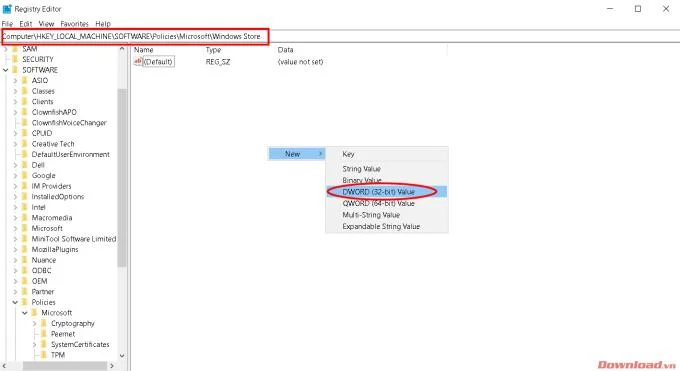
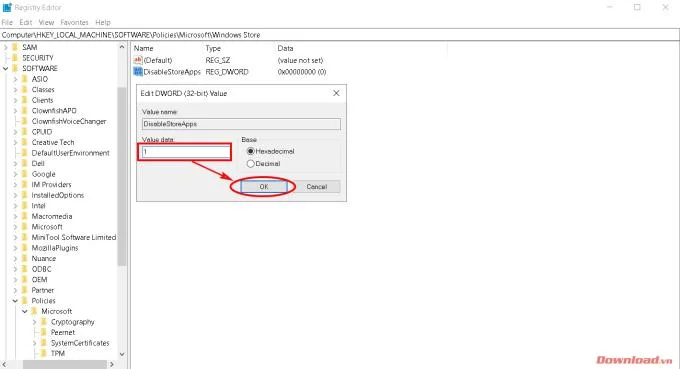
After editing the Registry, you should restart the computer to make sure the settings work correctly.
The Group Policy Editor is a pretty powerful Windows permission editing tool, and we can also use it to disable the Windows Store with these simple steps.
Note: This method does not work on Windows 10 Home, because Group Policy Editor is not included.
Computer Configuration \ Administrative Templates \ Windows Components \ Store.
If neither of these works, try Powershell.
get-appxpackage * windowsstore * | remove-appxpackage
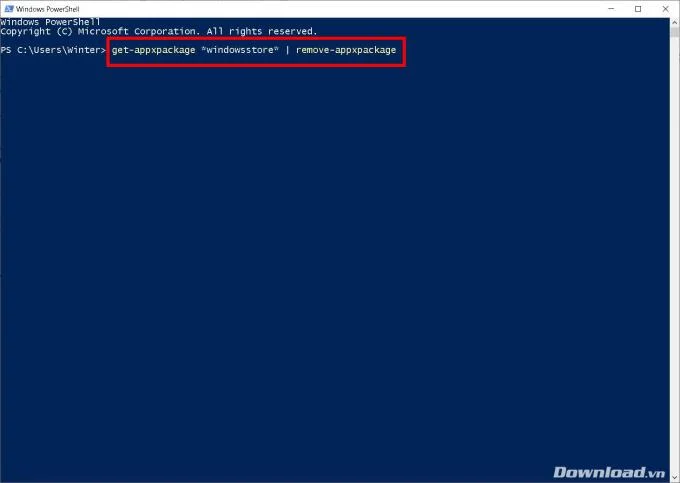
After the command is executed, the Microsoft Store will be removed. You can no longer find it in the Start menu.
I wish you successful implementation!
Configure oCIS LDAP sign-in, align user and group lookups, and verify TLS and schema settings before rollout.
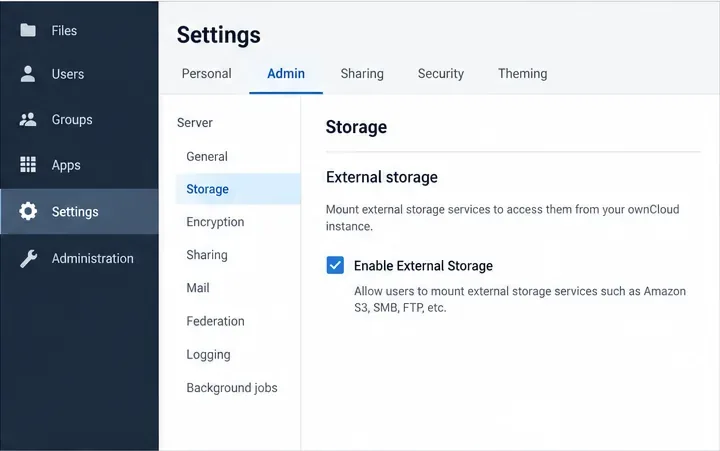
Add an Amazon S3 bucket to ownCloud 10, prepare compatible credentials and endpoints, and check access without confusing a mount with primary storage.
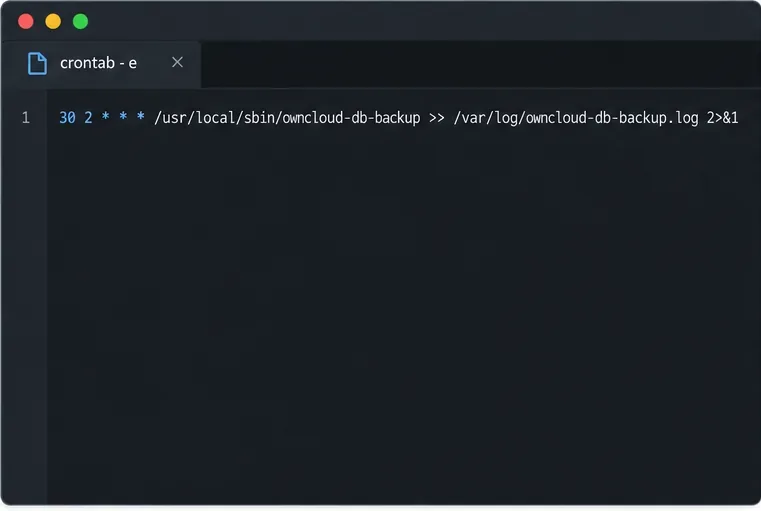
Schedule protected MariaDB dumps for ownCloud Server, handle maintenance mode safely, and verify each backup before relying on it.
Plan an ownCloud 10 to oCIS migration with the supported app, ordered commands, identity checks, and a clear list of data that needs separate handling.
Replace ownCloud Classic 10 logos and tune web UI colors with a theme app, while avoiding upgrade and integrity-check pitfalls.
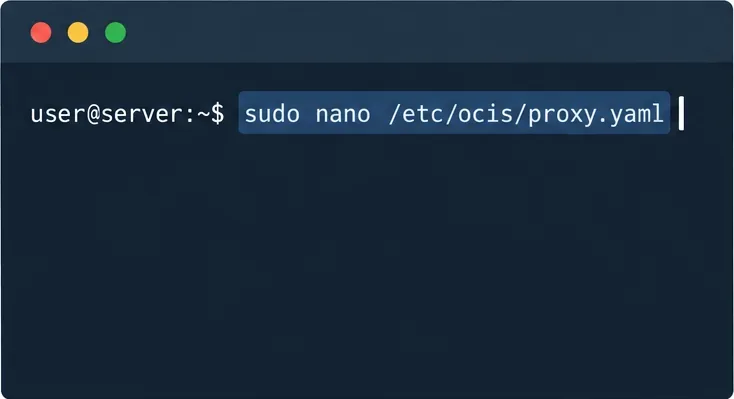
Assign byte-based storage limits to new ownCloud Infinite Scale users by role, with a proxy.yaml example and a safe verification checklist.
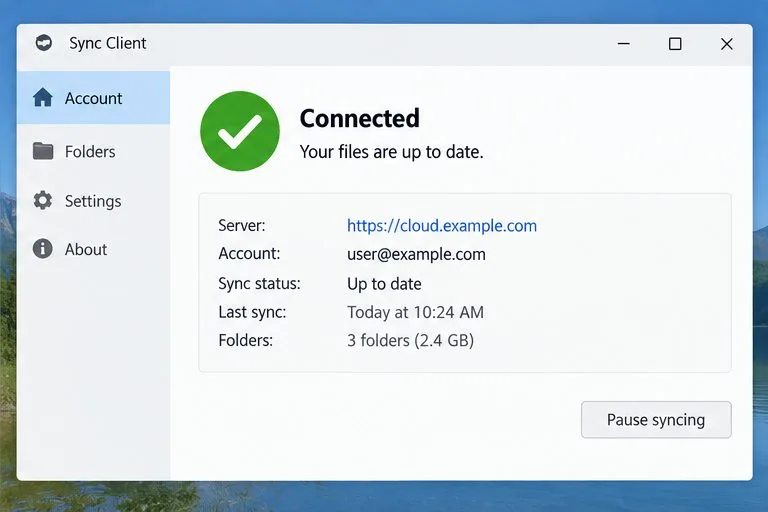
Restore ownCloud desktop syncing by checking the server hostname, certificate chain, private CA trust, and captive portal issues without disabling TLS verification.
Use the invalid-file report to identify mismatched core files or app signatures, restore the correct release files, and verify the integrity check safely.
Deploy ownCloud Infinite Scale from its official Compose example, configure domains and persistent storage, then verify TLS, containers, and first login.
Set up the S3NG driver, bucket permissions, persistent metadata storage, and upload sizing so ownCloud Infinite Scale can store file contents reliably.