How to synchronize bookmarks, extensions and web browser data on all devices

You often work on a web browser, you must have saved a lot of bookmarks, installed many extensions on it, but every time you install the device, it often loses everything or when working on another computer, you will not be able to use that data. .

Fortunately, all of the most popular web browsers today: Google Chrome, Firefox, Opera, Microsoft Edge and Internet Explorer allow users to sync browsing data across all devices. This helps you synchronize your bookmarks, autocomplete, bookmarks, add-ons, history, passwords ... However, each browser has a different set of settings. So invite you to follow the article below to know how to do it on each browser:

Google Chrome

For Google Chrome browser, synchronizing data is quite simple, just create a Google account, then follow the steps below to sync everything on all devices:

Step 1: Open Chrome up, click the 3 vertical dots icon in the top right corner of the screen, select Settings (Settings).

How to synchronize bookmarks, extensions and web browser data on all devices

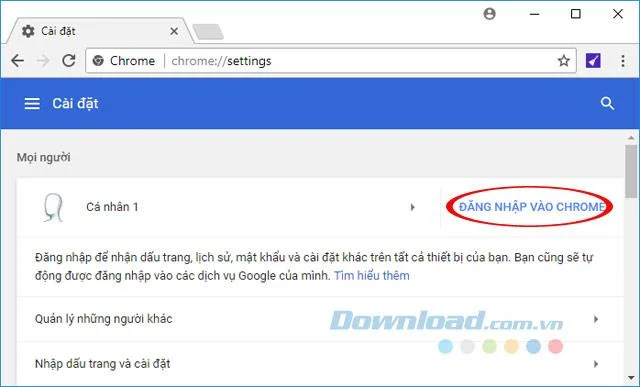
Step 2: Go to the People setting , click Sign in to Chrome (Sign Chrome) to sign in to your Google account.

How to synchronize bookmarks, extensions and web browser data on all devices

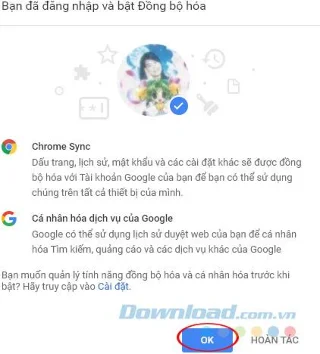
Step 3: Next, the message "You are logged in and turned on" is displayed , click OK.

How to synchronize bookmarks, extensions and web browser data on all devices

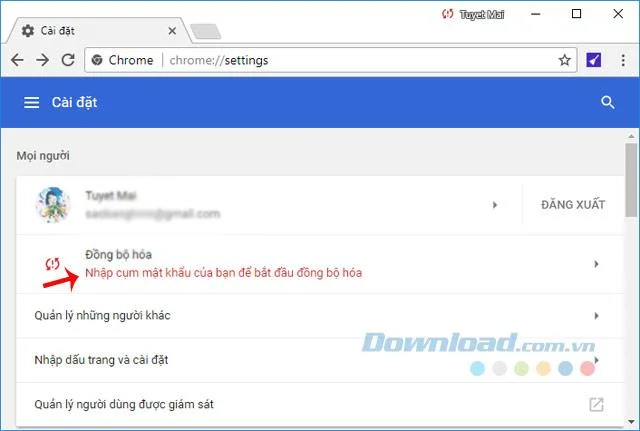
Step 4: At the Synchronization section , click Enter your passphrase to start synchronization.

How to synchronize bookmarks, extensions and web browser data on all devices

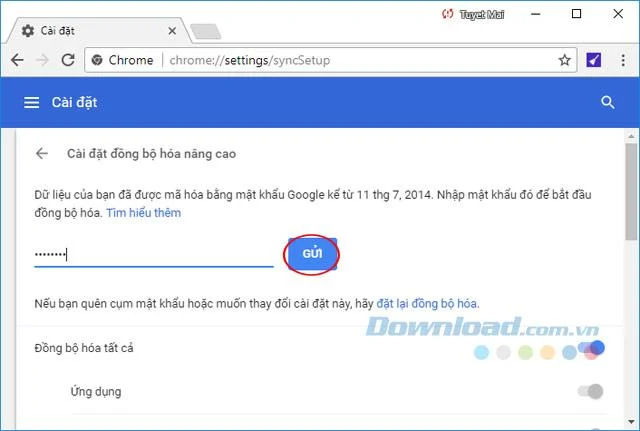
Step 5: Then, enter the password and click the Submit button .

How to synchronize bookmarks, extensions and web browser data on all devices

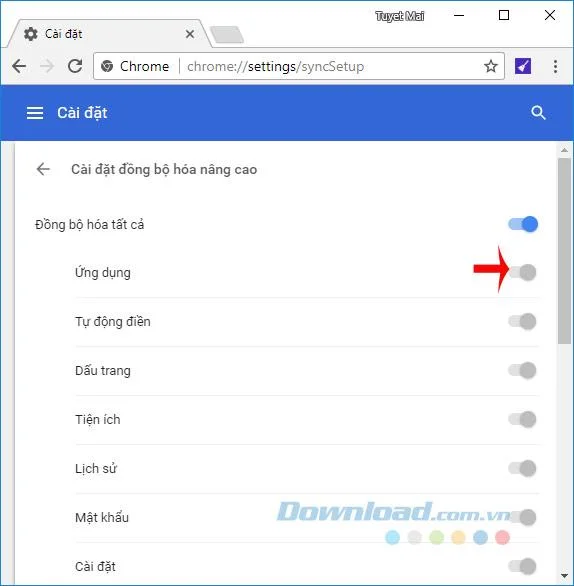
Step 6: You can also manually adjust the sync data easily if desired. Just drag the slider beside each item to turn it on or off as you like. Google Chrome supports application syncing, autofill, bookmarks, extensions, history, passwords ...

How to synchronize bookmarks, extensions and web browser data on all devices

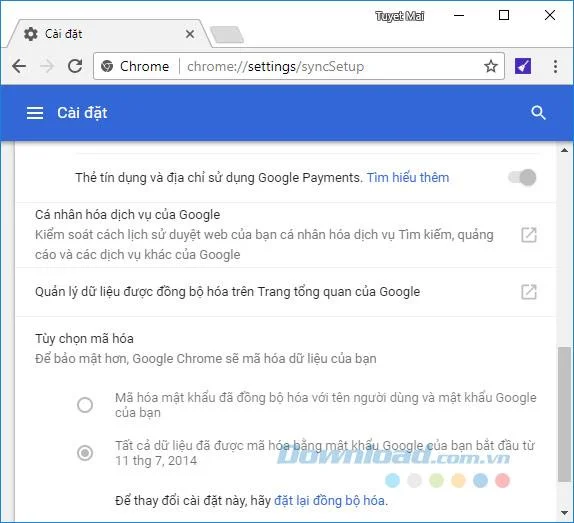
Step 7: In addition, to ensure data synchronization, Google also supports users to set a password to synchronize data encryption. It is best to enable this feature to avoid unintended data synchronization.

How to synchronize bookmarks, extensions and web browser data on all devices

Mozilla Firefox

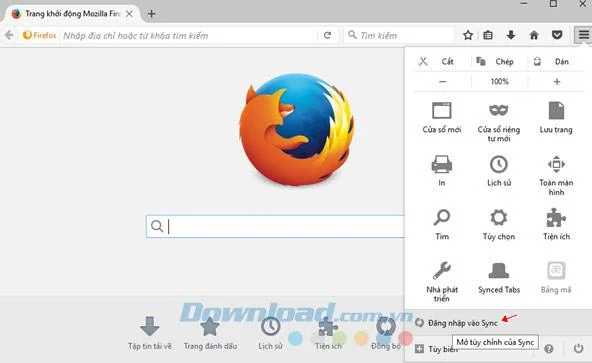
Step 1: Firefox browser also provides the same browser data synchronization function as Chrome. Just click on the 3 dash icon in the top right corner of the browser, select Sign in to Sync.

How to synchronize bookmarks, extensions and web browser data on all devices

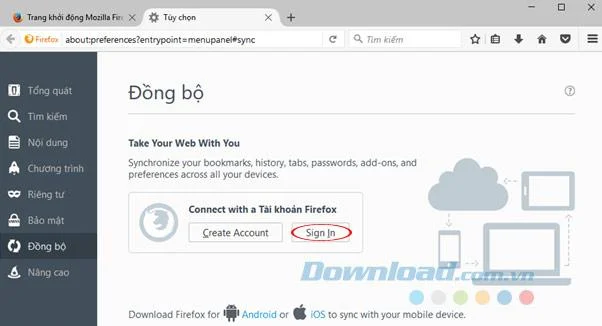
Step 2: If you already have a Firefox account, click Sign In to login, and if you do not have an account, click Create Account to create a Firefox account.

How to synchronize bookmarks, extensions and web browser data on all devices

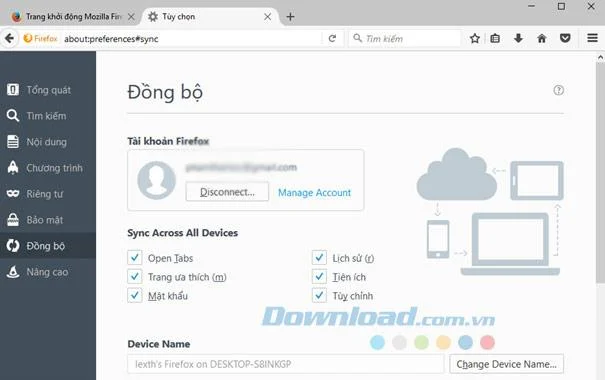
Step 3: After completing the login, you will be provided with a list of synchronization options that Firefox supports such as: Sync tabs, history, favorite pages, add-ons, passwords, custom .. .

How to synchronize bookmarks, extensions and web browser data on all devices

Opera

Opera is the browser that supports the earliest synchronization feature, in this latest version this feature still works very well. Usage as follows:

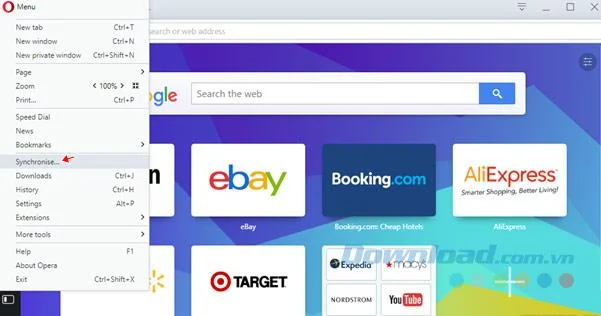
Step 1: Click the Opera icon in the upper left corner of the browser, select Synchronize.

How to synchronize bookmarks, extensions and web browser data on all devices

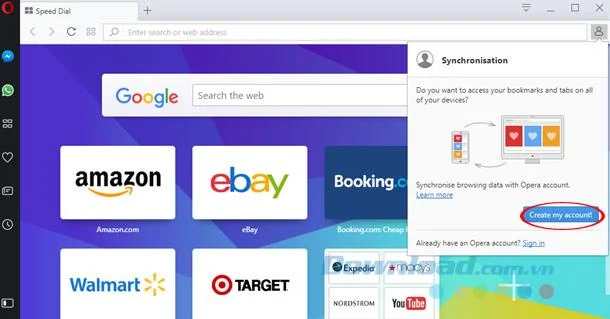
Step 2: The login dialog box appears, enter your Opera account. If you do not have an account, click Create my account to create a new account.

How to synchronize bookmarks, extensions and web browser data on all devices

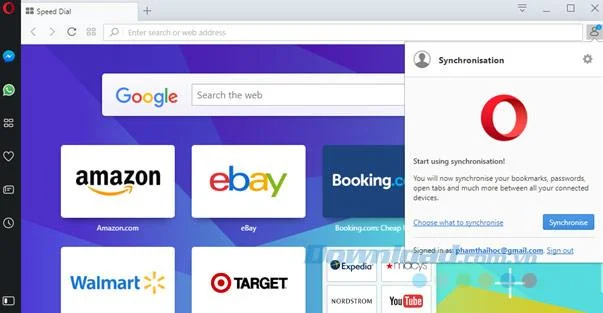
Step 3: Once the login is completed, the data will be synchronized automatically. If you want to personalize the synchronization, then click on the line Choose what to synchronize .

How to synchronize bookmarks, extensions and web browser data on all devices

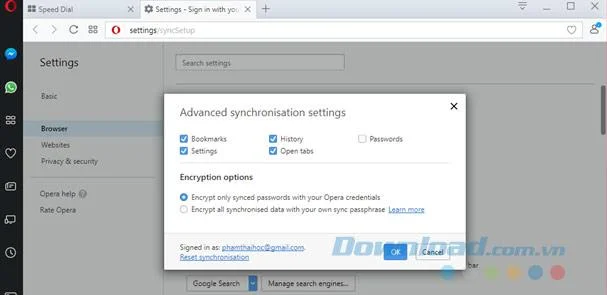
Step 4: Then tick the item you want to sync, then click OK.

How to synchronize bookmarks, extensions and web browser data on all devices

Microsoft Edge and Internet Explorer

Microsoft also integrates backup and data synchronization features for 2 browsers Microsoft Edge and Internet Explorer. Just follow the steps below to enable this feature:

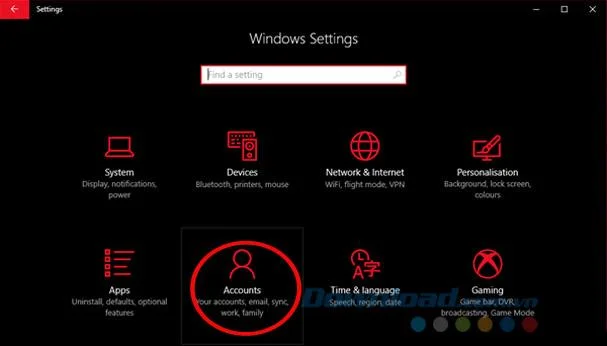
Step 1: Use a Microsoft account for Windows 10, then open Settings and click Accounts.

How to synchronize bookmarks, extensions and web browser data on all devices

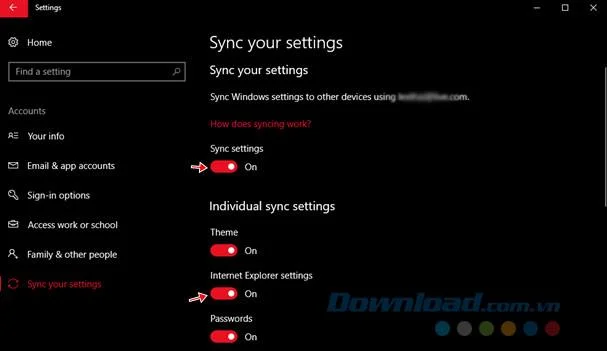
Step 2: In Accounts , click on the Sync your settings group . Slide the slider to ON in the Sync settings and Internet Explorer settings options.

How to synchronize bookmarks, extensions and web browser data on all devices

So now you can use browsing data on any device already. Pretty simple, isn't it?

I wish you successful implementation!
Leave a Comment

National Voter Registration Day 2026 Is Today: How to Register or Check Your Status

National Voter Registration Day 2026 Is Today: How to Register or Check Your Status

National Voter Registration Day is September 15, 2026. Learn how to register online, by mail, or in person and verify your voter status.

Podcasting Trends You Need to Know in 2026: A Beginner’s Roadmap

Podcasting Trends You Need to Know in 2026: A Beginner’s Roadmap

New to podcasting? Learn the 2026 trends shaping video, discovery, transcripts, AI, analytics, monetization, and a practical launch plan.

UGC Masterclass: Build User-Generated Content That Earns Trust and Drives Action

UGC Masterclass: Build User-Generated Content That Earns Trust and Drives Action

A practical UGC masterclass for sourcing, permissioning, briefing, publishing, and measuring customer and creator content without losing authenticity.

Why Community Building Is the New Marketing — and When It Is Not

Why Community Building Is the New Marketing — and When It Is Not

Community building can deepen trust, retention, feedback, and advocacy, but it is not a replacement for every marketing channel. Compare the tradeoffs and choose the right model.

Navigating Social Media Algorithm Changes in 2026: What’s Confirmed, Contextual, and Still Unknown

Navigating Social Media Algorithm Changes in 2026: What’s Confirmed, Contextual, and Still Unknown

Learn what major social platforms have actually confirmed about ranking changes in 2026, what depends on context, and how to adapt without chasing myths.

Authentic Storytelling in Brand Marketing: How to Build Trust Without Sounding Scripted

Authentic Storytelling in Brand Marketing: How to Build Trust Without Sounding Scripted

Learn how to make brand storytelling feel credible, human, and specific—using proof, real tension, ethical customer stories, and a practical authenticity check.

Email Marketing Strategies for Q4 Success: What to Prioritize, Test, and Trade Off

Email Marketing Strategies for Q4 Success: What to Prioritize, Test, and Trade Off

Build a smarter Q4 email strategy by balancing reach, frequency, discounts, automation, deliverability, and measurement for profitable holiday growth.

How to Create Short-Form Video That Converts: A Practical Framework

How to Create Short-Form Video That Converts: A Practical Framework

Learn how to create short-form video that converts by balancing hooks, format, authenticity, CTA, platform fit, and testing across TikTok, Reels, and Shorts.

The Shift from Influencers to Key Opinion Consumers (KOCs): What Brands Need to Know in 2026

The Shift from Influencers to Key Opinion Consumers (KOCs): What Brands Need to Know in 2026

Why are brands testing KOCs instead of relying only on influencers? Learn what KOCs are, why social commerce favors them, common myths, and how to run a measurable pilot.

TikTok SEO in 2026: How to Rank Videos in Search Without Keyword Stuffing

TikTok SEO in 2026: How to Rank Videos in Search Without Keyword Stuffing

Learn a practical TikTok SEO workflow for 2026: find real search demand, match search intent, optimize each video, and measure what improves visibility.