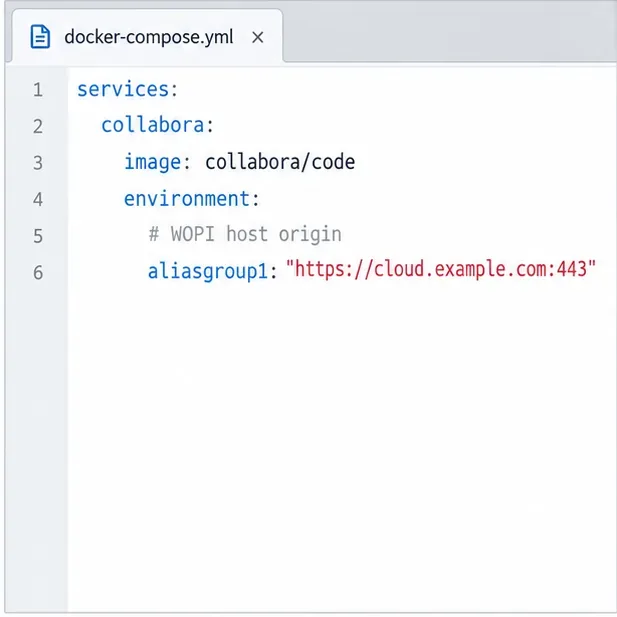
Deploy Collabora CODE on Kubernetes with Helm

Install the official Collabora Helm chart, configure WOPI access and ingress affinity, and verify the deployment without common setup mistakes.
YouTube is one of the most popular and widely used online video viewing applications today from phones, laptops to Internet TV , Smart TV ... However, if you want to use it easily and optimally, then We need to login account on this app. This article, WebTech360 supermarket, will guide you how to log into your Youtube account on Smart TV.
YouTube is one of the most popular and widely used online video streaming applications today.
1 / After logging in to your account, we can use all the functions of the application, helping to optimize the usage.
2 / The application will automatically suggest suitable videos for you based on your interests, content and how often you watch videos.
3 / We can subscribe to, comment on, ... for the videos or channels that we love.
4 / You can add your favorite songs to the folder created by yourself, making it convenient for listening to music.
Step 1: Go to the Settings of the Youtube application.
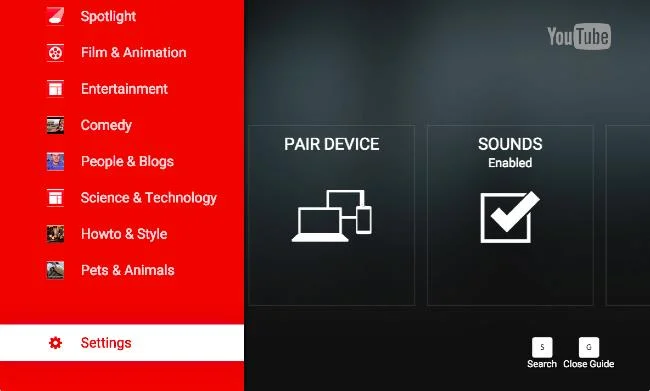
Step 2: Select Sign in .
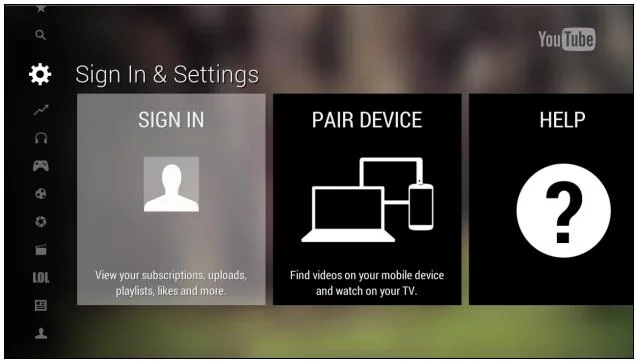
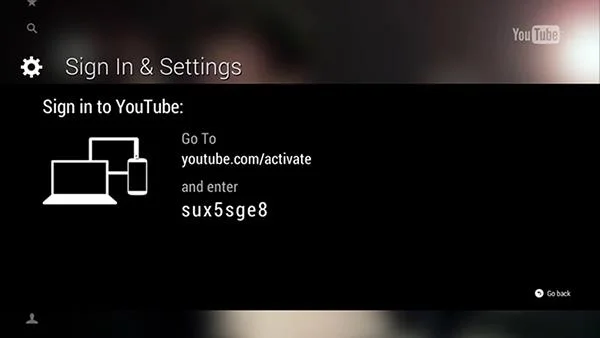
Step 3: The TV will display the way for us to log in, consisting of 2 parts: the link and the password . We use the phone or laptop to access that link, then enter the password provided by the TV, then click NEXT (Next) .
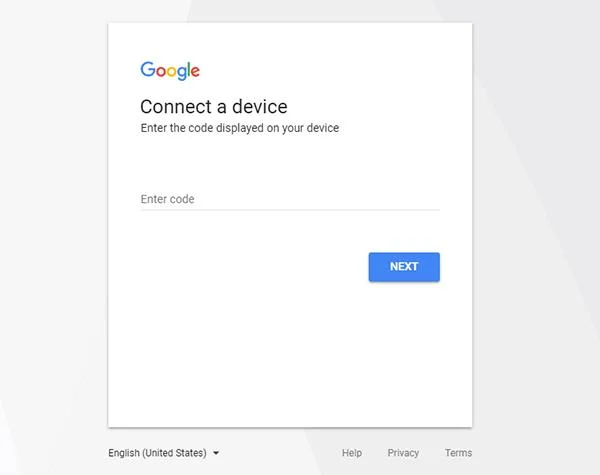
Step 4: YouTube will display a notice about the terms, click Allow to complete the login.
Step 1: Go to Settings .
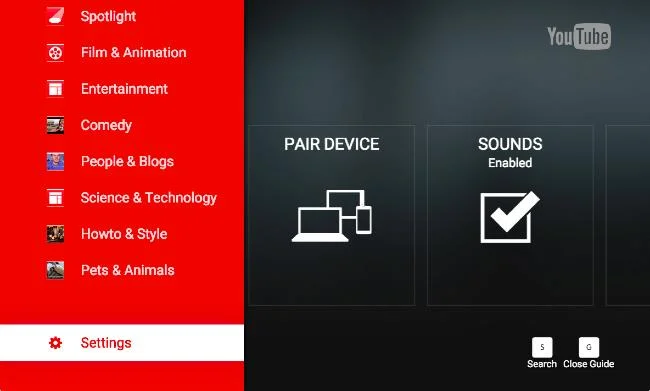
Step 2: Click on Sign Out.
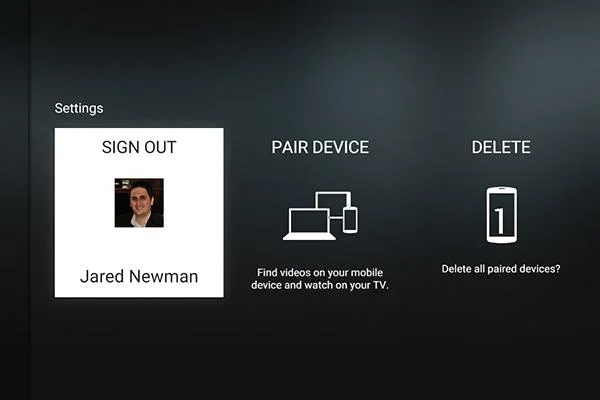
Step 3: Youtube will display a message asking to confirm the operation, select OK to complete the logout.
Above are the steps for us to log in and log out of the Youtube account on Smart TV. Good luck!
>>> See more: Fix Youtube application error on Sony smart TVs
>>> See more: How to share YouTube videos from phones, tablets, laptops on Smart TV
>>> See more: How to fix TV can not access Youtube and Facebook
Install the official Collabora Helm chart, configure WOPI access and ingress affinity, and verify the deployment without common setup mistakes.
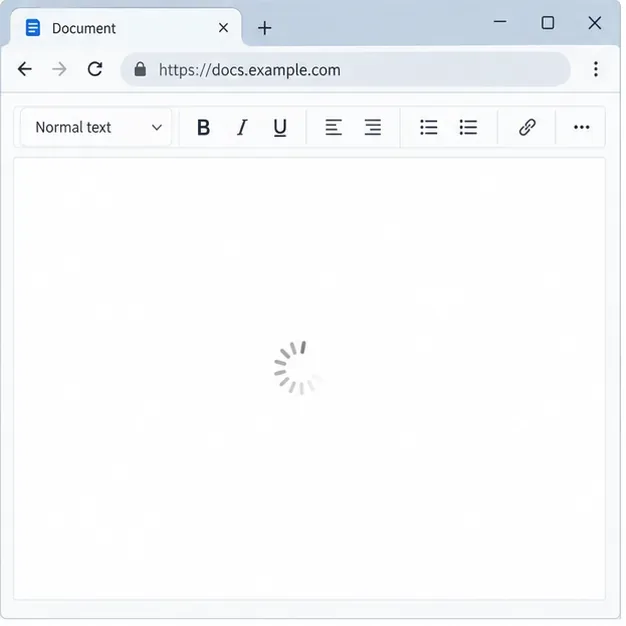
Use browser requests, WOPI logs, and targeted proxy checks to find why Collabora opens a blank document—and choose a fix that fits the evidence.
Configure CODE Docker dictionaries and tag document passages correctly so English, French, and other supported languages receive the right spell-checking.
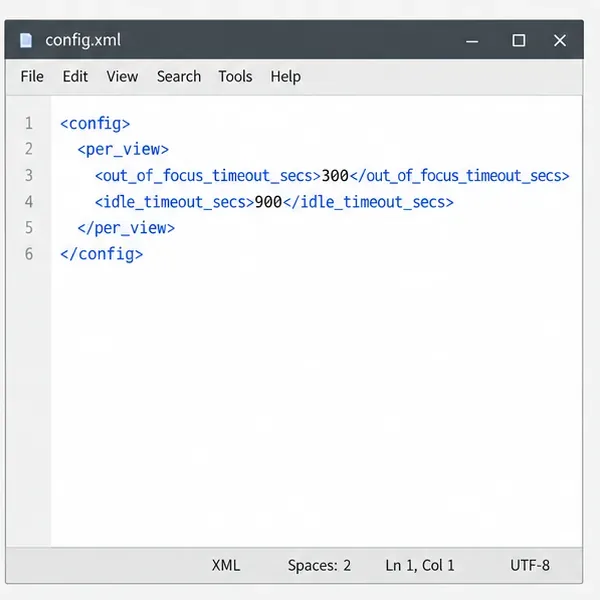
Adjust the per-view inactivity threshold in coolwsd and distinguish it from background-tab dimming, document unloading, autosave, and login expiration.
Stop scheduled CODE update checks, review optional remote services, and use outbound network controls without breaking document editing.
Enable secure document editing in Seafile by configuring Collabora’s discovery URL, HTTPS, and WOPI access for your deployment.
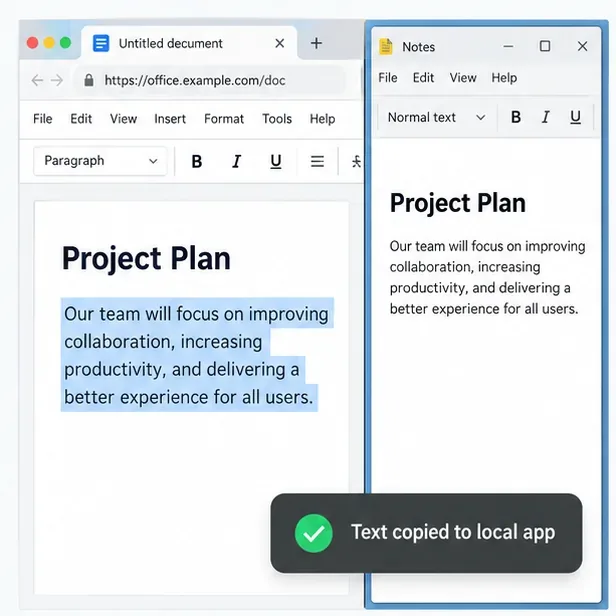
Test the system clipboard, adjust browser permissions, and identify when an embedded Collabora integration needs an iframe policy change.
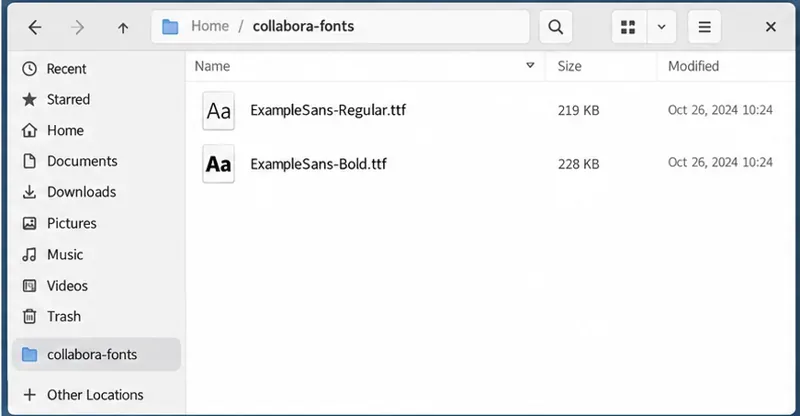
Mount font files into Docker and Collabora’s systemplate so custom typefaces appear in the editor and render correctly in documents.
Back up coolwsd.xml and its deployment sources, restore them safely, and verify CODE before users return to editing.
Allow the exact Nextcloud or other WOPI origin in CODE, then verify the active host allow-list and distinguish it from Nextcloud’s source-IP restriction.